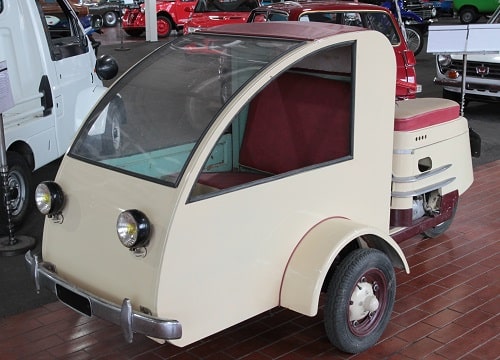
A. Morin Scootavia Tripousse – 1952
Born in France in 1923, André Morin’s passion for engineering and design was unmistakable, even at a young age. As a teenager, Morin was already designing small aircraft, often...

Born in France in 1923, André Morin’s passion for engineering and design was unmistakable, even at a young age. As a teenager, Morin was already designing small aircraft, often...
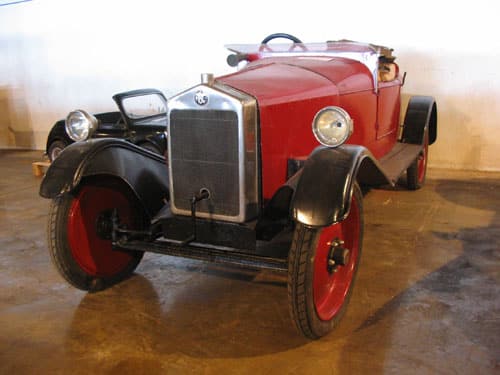
A.B.C. began producing motorboat and airplane engines prior to World War I, and by the early 1910s, they began producing engines for motorcycles and cyclecars. By 1920, they formed...
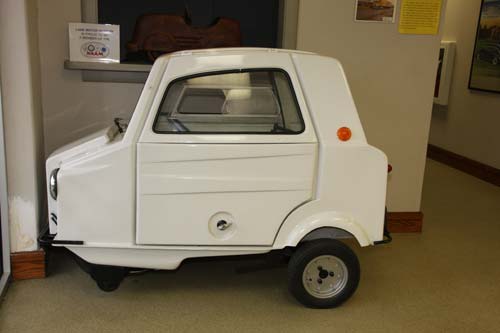
The “L-Category” is a class of cars and mopeds in France that can be driven without a driver’s license. This new category called sans permis (without license), began in...
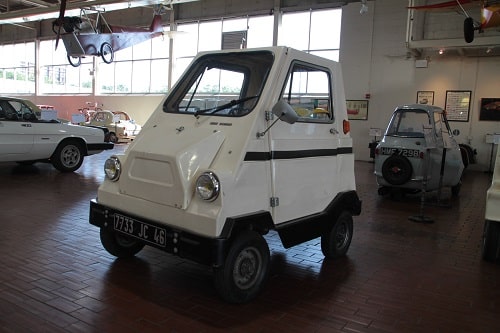
The Super Comtesse is an updated version of the Mini-Comtesse, which was famous for its instability. The Super Comtesse was produced eliminating the 3-wheel design and used a conventional...
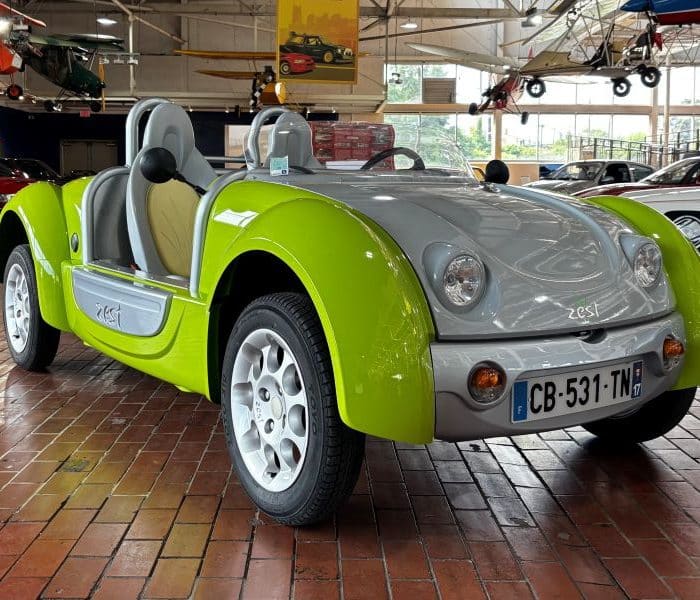
Debuted in 2006, the Acrea Zest was the brainchild of Stéphane Solbach and Jean-Pierre Josseaume, two former employees of Matra Automobile. They joined forces to develop a lightweight, simple...
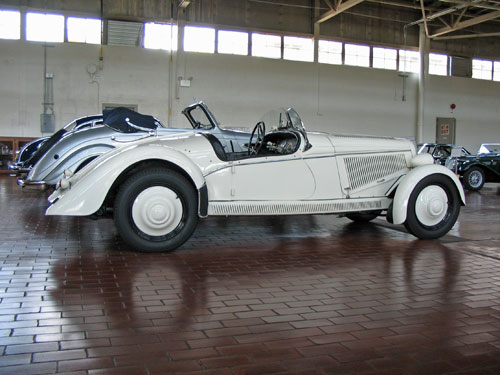
In 1880, Heinrich Kleyer founded a bicycle business and by 1900 he moved to automobiles. During World War I, Adler built trucks, transmissions for tanks, and airplane engines. By...
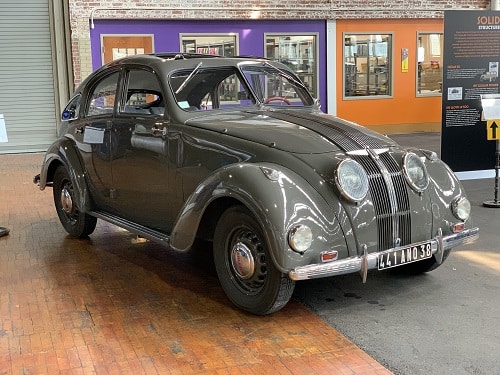
Frankfurt-based, Adler started manufacturing bicycles in 1896. Later the company turned to produce motorcycles, typewriters—and moved on to cars. In early 1900, Adler was already manufacturing automobile components when...
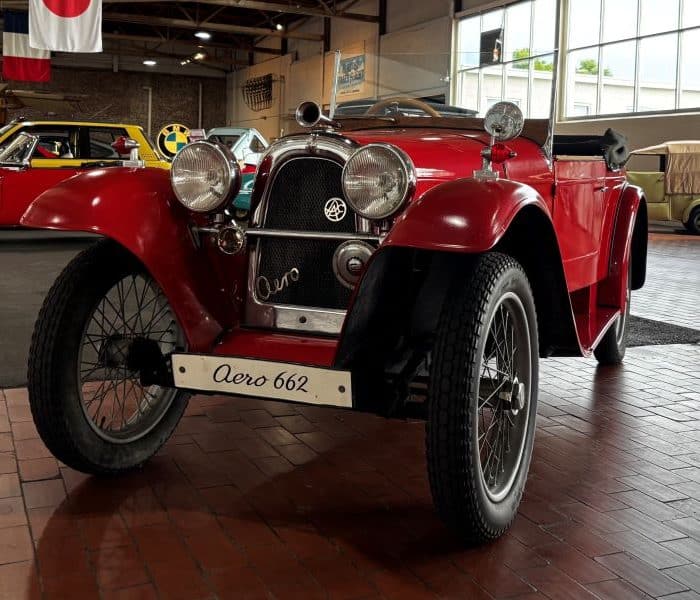
After three years of production of the Aero 10, Aero introduced an updated version of this car in 1931. The new car was called Aero 18. From the exterior...
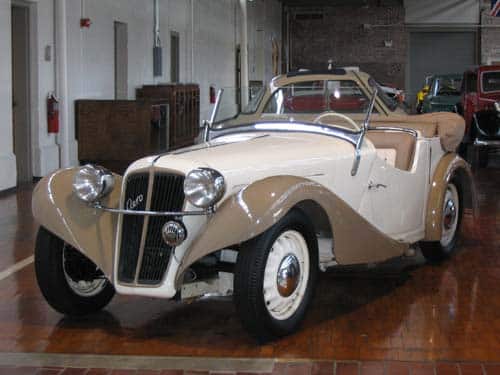
With the introduction of the Aero 30 in 1934 Aero took a giant step forward in its car business. Aero’s previous cars, the model 10 and 18, were pretty...
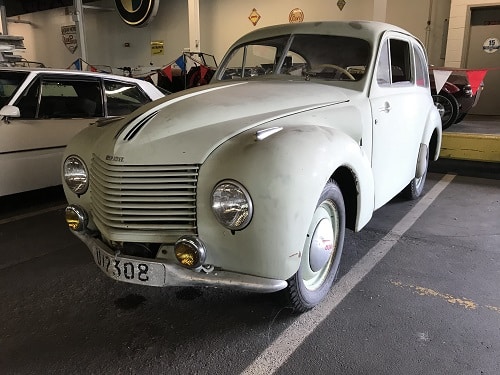
The original Czechoslovakian Aero’s company history dates to 1929. Between then and World War II, the company produced automobiles and aircraft, and the company was owned by a Dr....
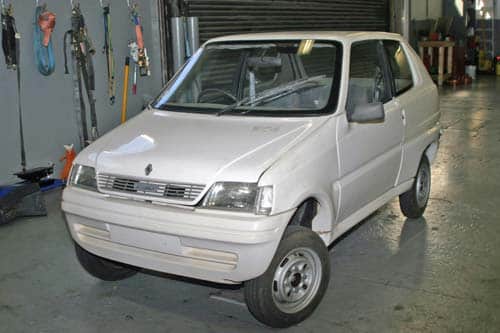
Aixam is France’s largest Microcar manufacturer with about 40% of the French market. This particular Aixam is unique because it was made in India by the Indian scooter maker...
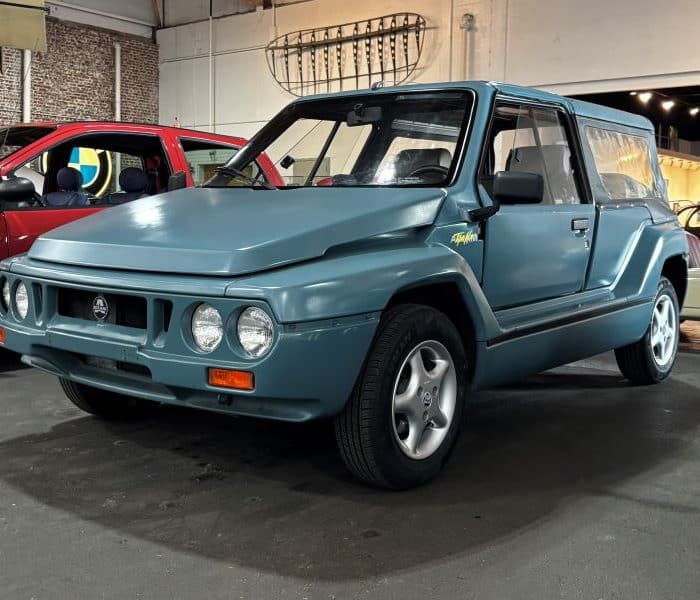
Aixam, a French company known for their microcars, debuted the Mega Tjaffer in 1992 as a versatile pleasure vehicle. Based on the Citroën AX, Aixam built the Mega Tjaffer...
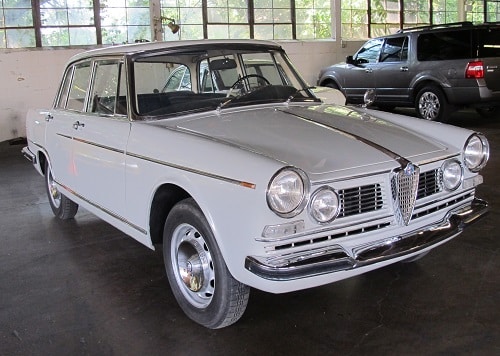
The Alfa 2600 was Alfa Romeo’s flagship car that succeeded the Alfa Romeo 2000. It is a significant car because it was the first Alfa to be powered by...
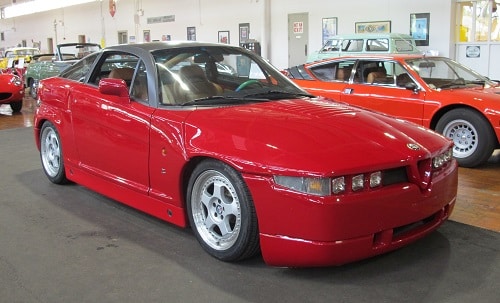
The SZ, or Sport Zagato, announced Alfa’s return to sporting cars after their acquisition by Fiat. Known internally as the ES-30 (Experimental Sportscar 3.0 liter), the SZ was the...
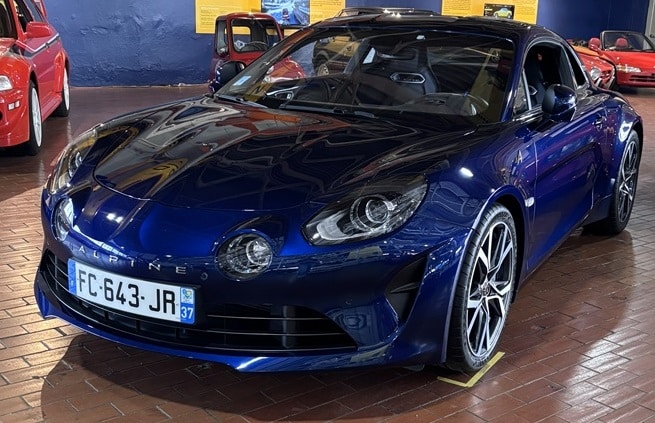
The Alpine company was originally founded by Renault dealer and rally driver Jean Rédélé during the 1950s. The first Alpine A110 debuted in 1962 and became a successful race...
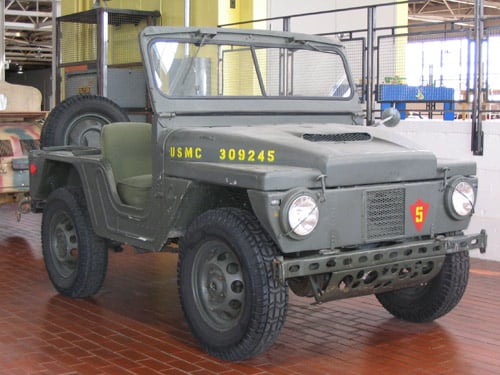
The M422 “Mighty Mite” was built by AMC as a light weight truck for “vertical envelopment operations,” i.e. parachuting, for the U.S. marines. An aluminum body helps keep the...
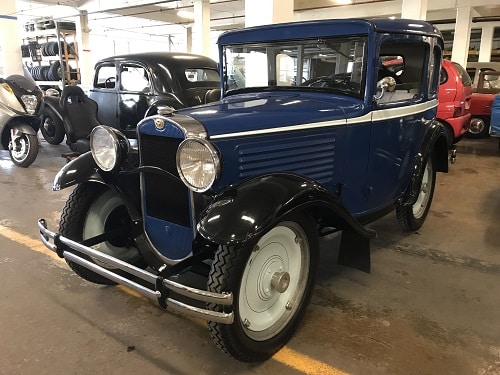
The American Austin Car Company was an attempt to popularize the European idea of an economy car for America. In 1929, buoyed by the success of the tiny Austin...
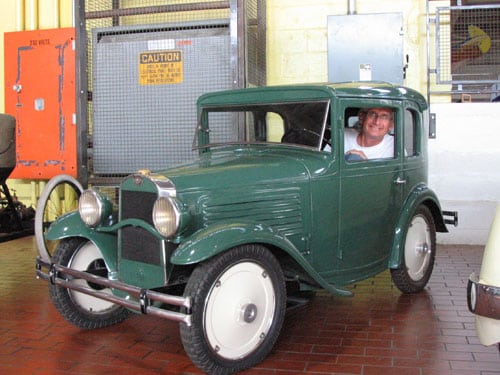
Bill Minor, of Columbia, Tennessee, was an artist, gifted fabricator, and automotive enthusiast. With his great fabrication abilities, he was able to make or repair almost anything. In the...
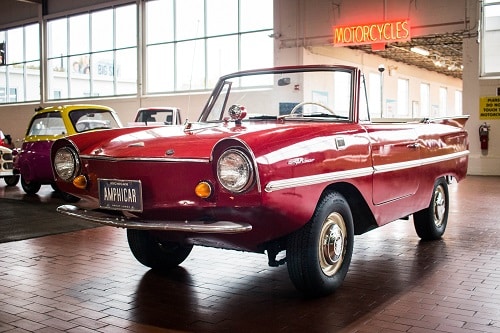
This amphibious car was designed by Hans Trippel. It has a unibody steel two-door cabriolet body with electrically-welded joints and is powered by a 1147cc Triumph Herald engine mounted...
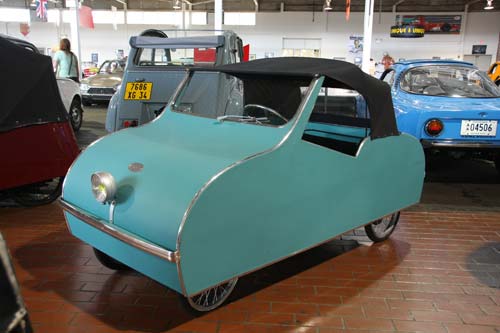
Ardex started producing a Morgan-like 3-wheeled car in 1934. Production was small and only lasted until 1937. Then in 1952, Ardex turned to the manufacture of Microcars. Times were tough...
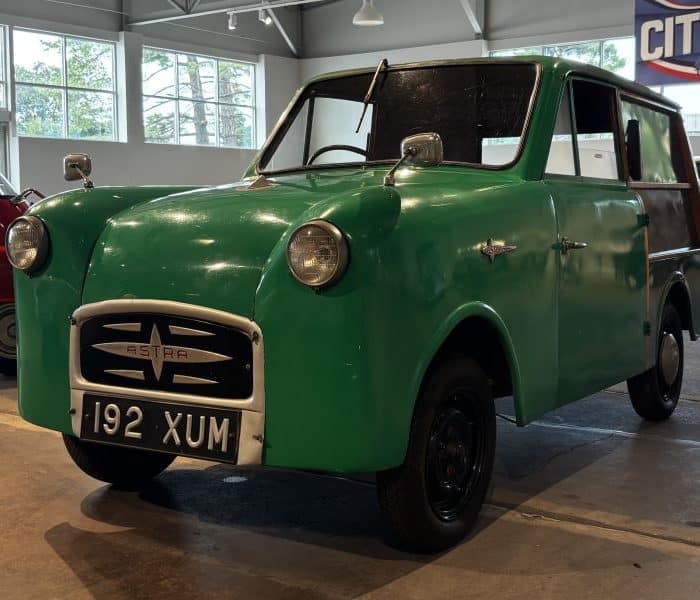
The Astra was originally developed in 1955 as the “Little Horse” utility vehicle by JARC Motors Ltd. Of Middlesex. The single-seat, 13HP commercial vehicle was simple but capable. The...
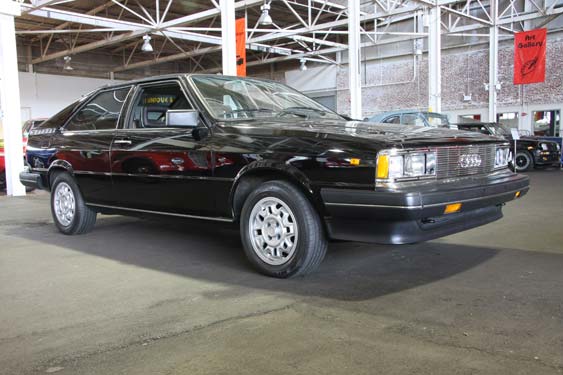
The Audi Coupe GT was produced as an executive compact car; a tamer, front-wheel drive, version of the famed Audi Quattro. Sold in the US market from 1980-1987, it...
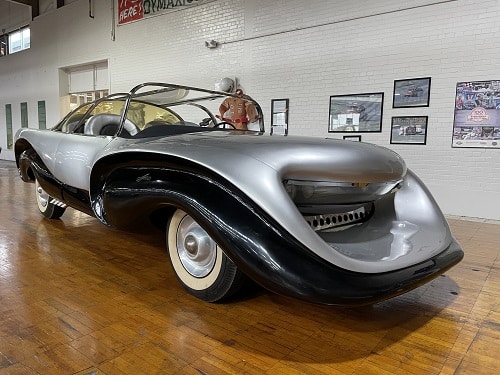
During the mid-1950s, Father Alfred Juliano set out to construct the safest car to ever be introduced in the United States. Juliano would call the car Aurora – a...
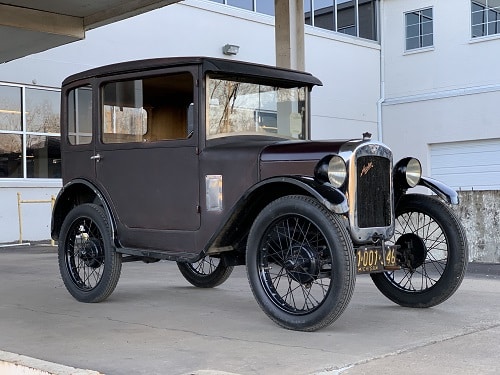
After Sir Herbert Austin established his reputation at the Wolseley Tool and Motor Co., he found backing for a venture based in Longbridge, England and successfully produced his own...
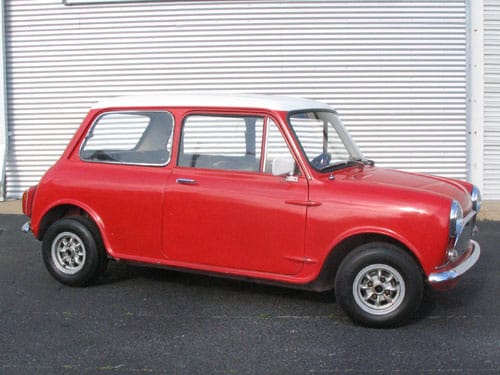
In the mid 1960s, Austin decided to produce the Mini in South America. Knowing the production volumes would not be large, they could not afford to make another set...
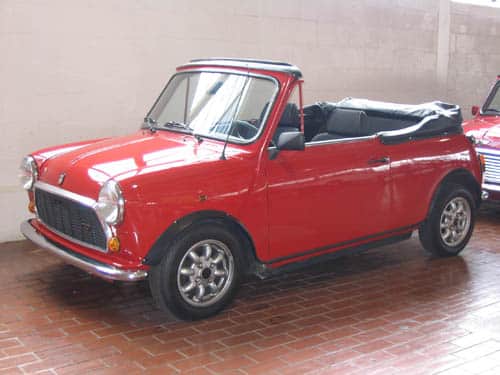
This 1969 Austin Mini has been updated to mid-1980 specification. Although Austin never produced an in-house cabriolet, several independent companies in England performed the conversions. The steel reinforcements welded...
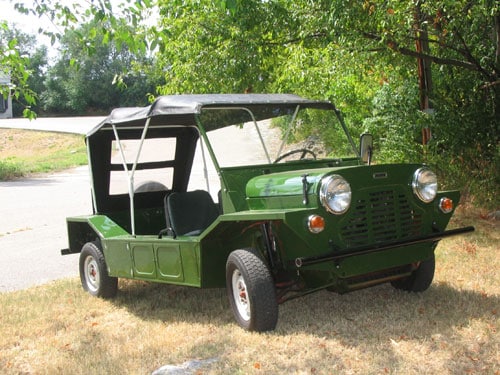
The Austin Mini Moke (British slang for “donkey”) began production in 1964. It was designed as a four-wheel-drive jeep-like utility vehicle for the British army. Although it was rejected...
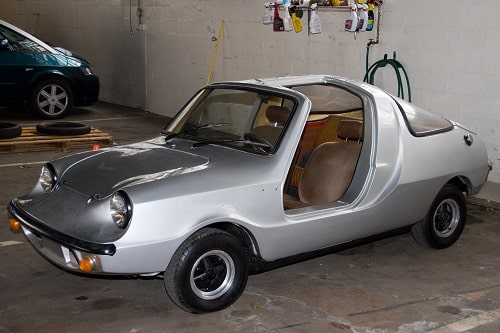
The Austin Mini Reptune GT Gullwing is a body kit designed for the Austin Mini, and the brainchild of British-born designer Dennis Prophet. Mr. Prophet worked for British Motorcar...
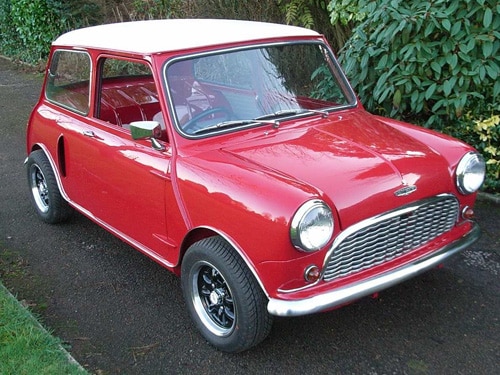
The Twini Mini was an idea that was never fully developed. In 1962, British Motor Corporation built a Mini Moke with 2 engines to help its off-road capabilities. It...
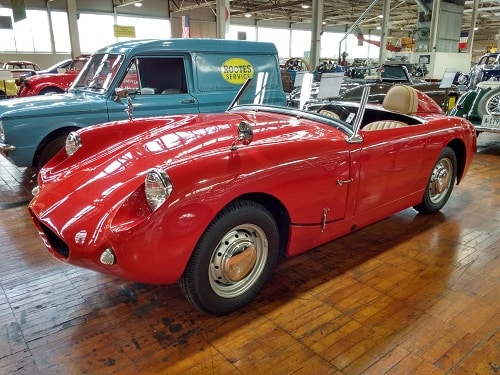
Known affectionately as the “Bugeye” in the US and “Frog-Eye” in the UK, the Mark I Austin-Healey Sprite was an entry level British sports car introduced in 1958. Designers...