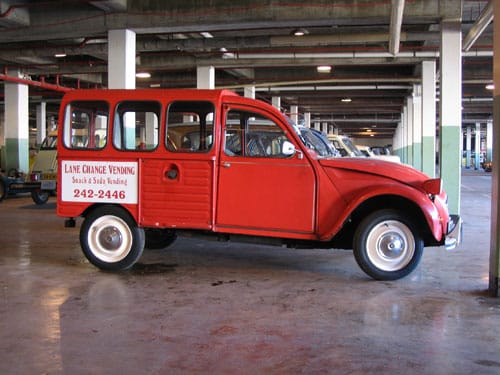
Citroën 2CV AK250 Truckette – 1971
The 2CV “Fourgonnette” (or Truckette) played as important a part of the 2CV story as the car. Ultimately, over a million examples were built, which accounted for nearly a...

The 2CV “Fourgonnette” (or Truckette) played as important a part of the 2CV story as the car. Ultimately, over a million examples were built, which accounted for nearly a...
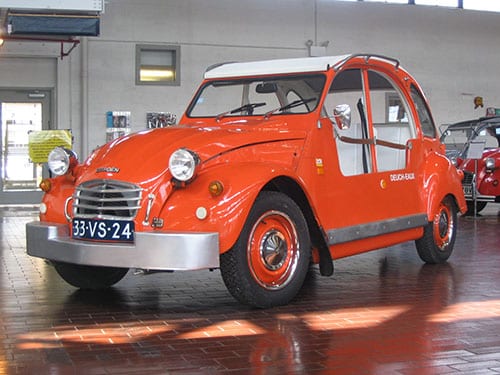
Transformed by a dedicated Dutch enthusiast, this extraordinary vehicle began as a standard Citroën 2CV but underwent an extensive metamorphosis to fulfill a dual-purpose role: as a roadworthy car...
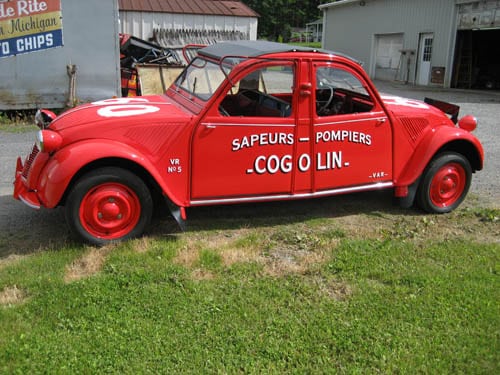
The fire and rescue service in Cogolin, France, were using a Citroën 15-6 Traction Avant as part of their fleet. One night while on patrol, Colonel Hourcastagné found the...
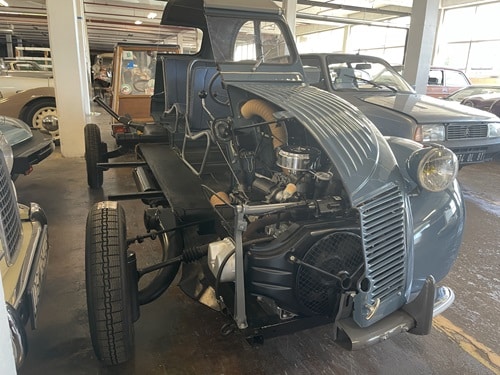
This cut-in-half 2CV began life as a 1960 “Ripple Bonnet” Deux Chevaux. In 2024, Jeff Lane asked Jérôme Cesbron of Tours, France to build this unusual creation. Cesbron’s company,...
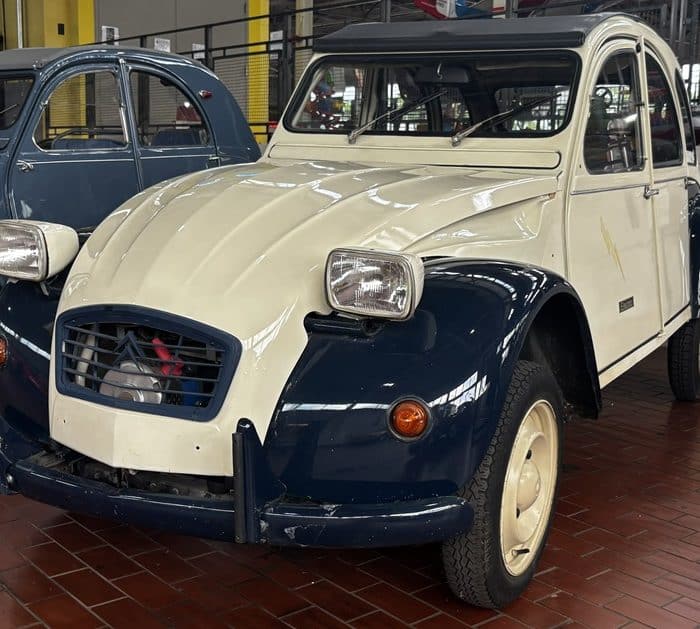
Regrettably, little information is available regarding this electrically converted Citroën 2CV. The creator embarked on the endeavor using a 1977 2CV, retaining much of its factory design while removing...
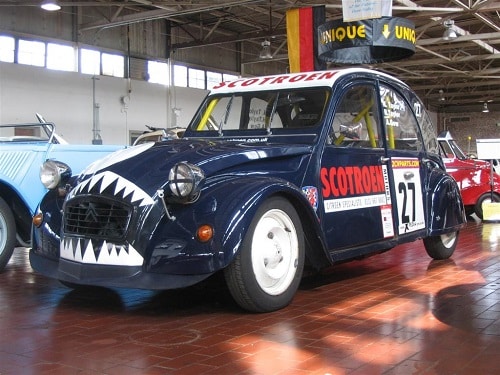
This race car started as a stock Citroën 2CV. As the 2CV was found to be affordable and easy to maintain, it was an ideal fit with the racing...
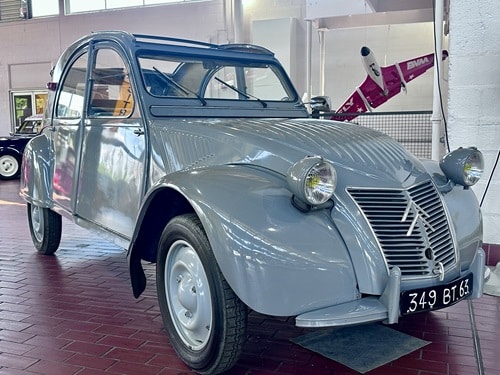
The Citroën 2CV was designed to offer minimal-cost rural transportation. Designers were challenged to build a car that would carry two people and a 250 pound sack of potatoes...
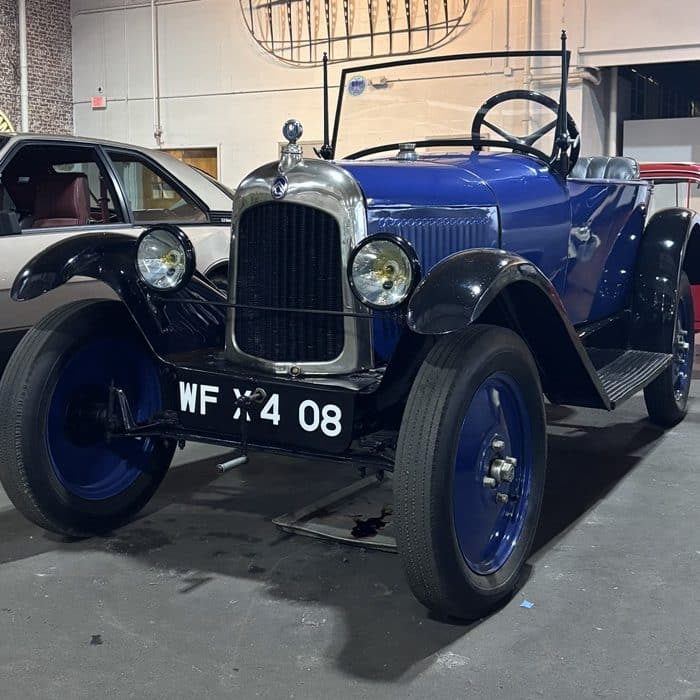
The Citroën 5CV was shown at the Paris Salon in 1921, and production began in 1922. For the first time in France, the marketing was slanted toward feminine clientele,...
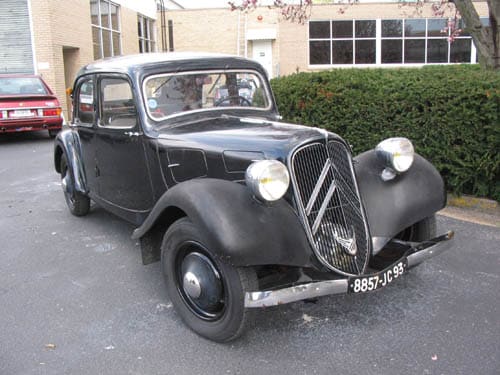
André Citroën introduced his first car to the public in 1919, and within two weeks received 16,000 orders for the Type a 10CV. The company steadily grew through the...
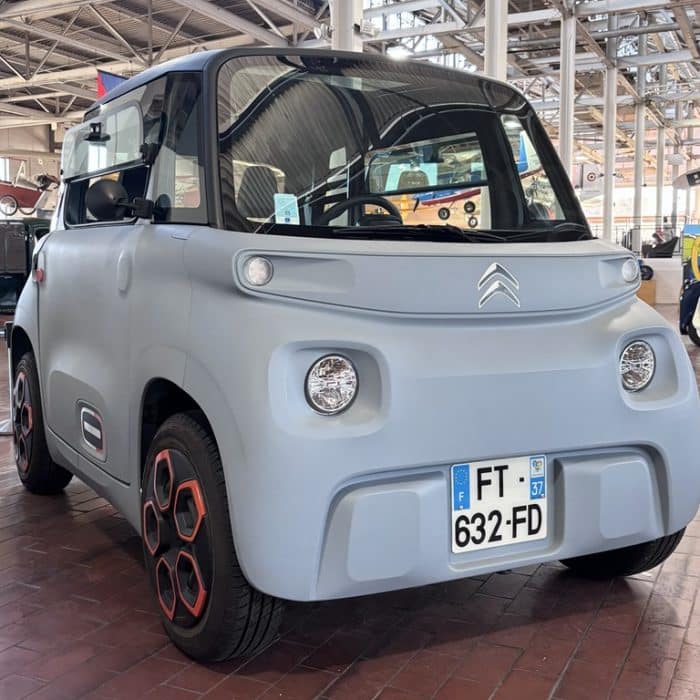
In a bid to expand Groupe PSA’s (Peugeot Société Anonyme) electric vehicle lineup, the all-electric, light quadricycle class Ami debuted on February 27th, 2020, in Paris, France. If the...
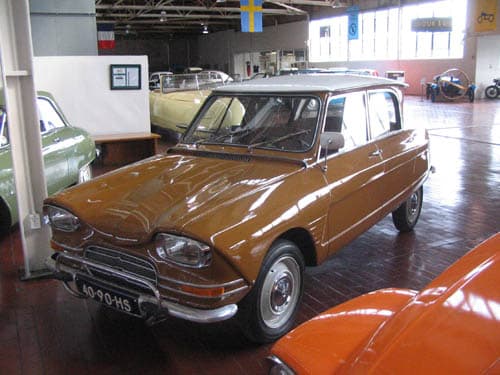
The Citroën Ami 6 was launched in 1961 as “the world’s most comfortable medium class car.” The arrival of the Ami 6 filled the demand for Citroën to produce...
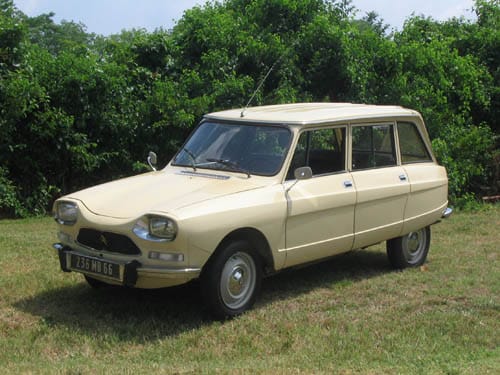
The Citroën Ami 8 was presented to the public at the Geneva Motor Show in March 1969. The Ami 8 was far more conventional in appearance than the Ami...
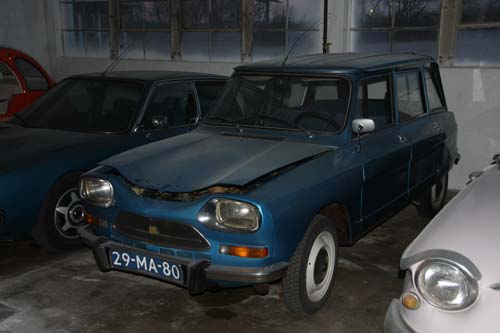
The Citroën Ami Super was launched in January 1973 and, while it looks like the Ami 8, it has a larger, more powerful horizontally-opposed flat 4-cylinder air cooled engine...
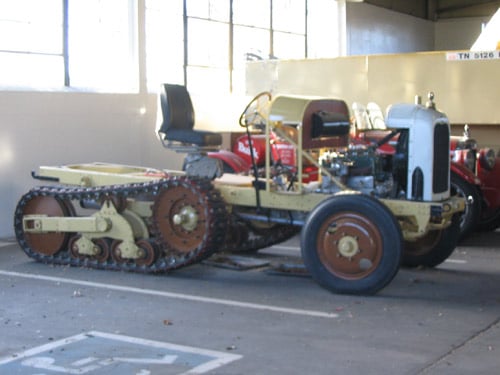
André Citroën, the founder of Citroën, was first and foremost a communicator. To promote the brand’s products and image, he decided to take Citroën vehicles to the furthest reaches...
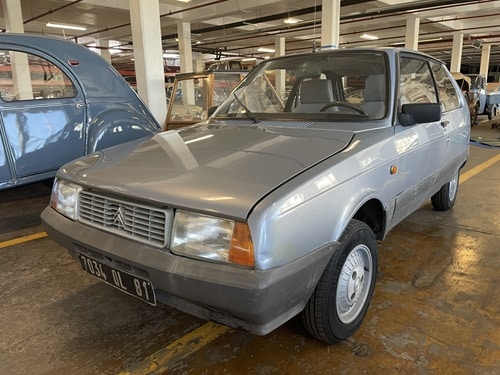
The Citroën Axel was initially developed as a replacement for the Citroën Ami in the early 1970s. However, after the 1974 Oil Crisis and the subsequent buyout of Citroën...
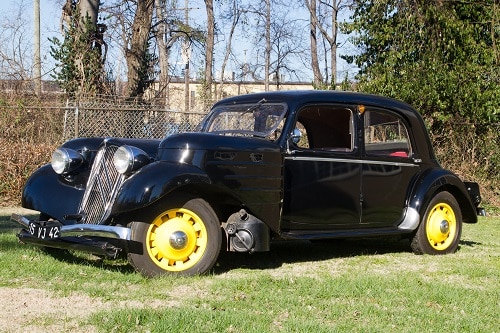
During the German occupation of France in World War II, gasoline was scarce, expensive, and often unavailable. Several companies offered systems for a vehicle to be powered by alternative...