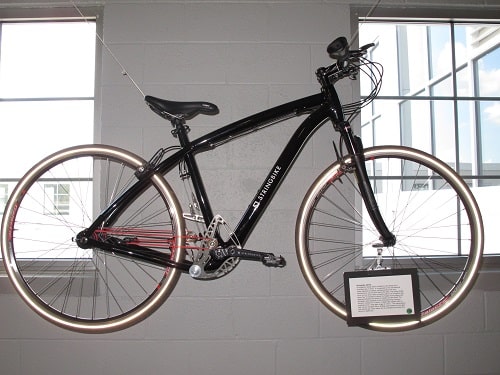
A-Line Classic Stringbike- 2010
With the inspiration to create a clean, quiet, and graceful vehicle, a Hungarian design team at Schwinn Csepel Zrt challenged the conventional chain-driven bicycle with a rope-and-pulley- driven system....

With the inspiration to create a clean, quiet, and graceful vehicle, a Hungarian design team at Schwinn Csepel Zrt challenged the conventional chain-driven bicycle with a rope-and-pulley- driven system....
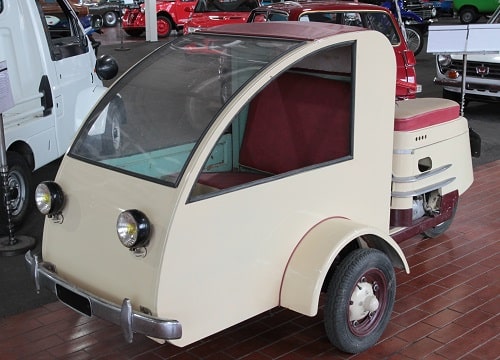
Born in France in 1923, André Morin’s passion for engineering and design was unmistakable, even at a young age. As a teenager, Morin was already designing small aircraft, often...
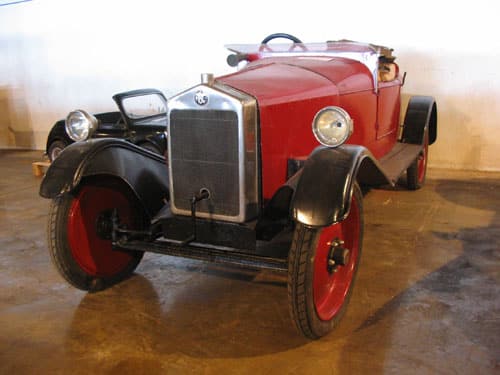
A.B.C. began producing motorboat and airplane engines prior to World War I, and by the early 1910s, they began producing engines for motorcycles and cyclecars. By 1920, they formed...
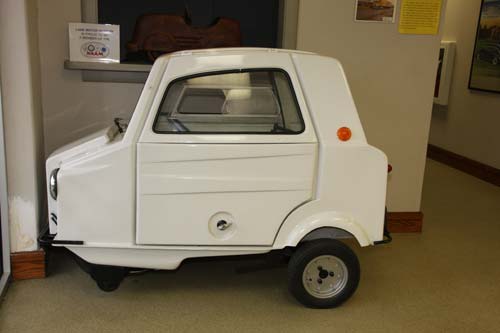
The “L-Category” is a class of cars and mopeds in France that can be driven without a driver’s license. This new category called sans permis (without license), began in...
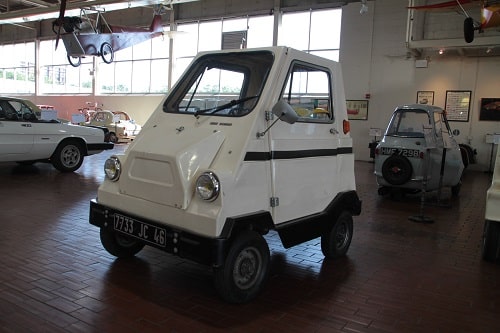
The Super Comtesse is an updated version of the Mini-Comtesse, which was famous for its instability. The Super Comtesse was produced eliminating the 3-wheel design and used a conventional...
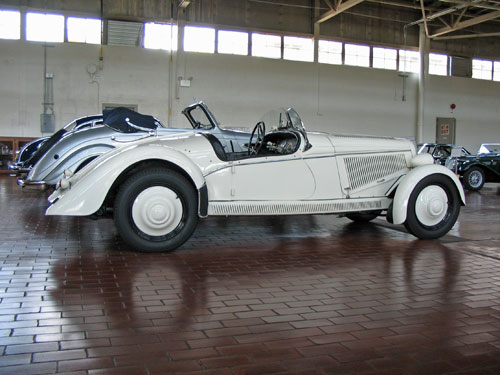
In 1880, Heinrich Kleyer founded a bicycle business and by 1900 he moved to automobiles. During World War I, Adler built trucks, transmissions for tanks, and airplane engines. By...
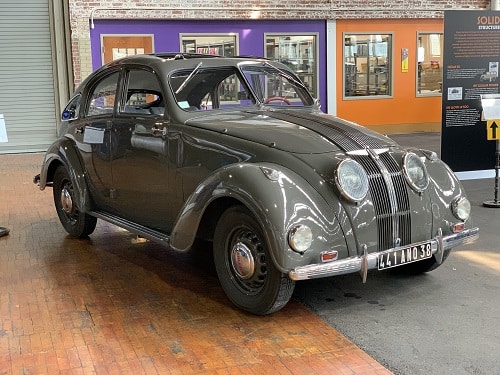
Frankfurt-based, Adler started manufacturing bicycles in 1896. Later the company turned to produce motorcycles, typewriters—and moved on to cars. In early 1900, Adler was already manufacturing automobile components when...
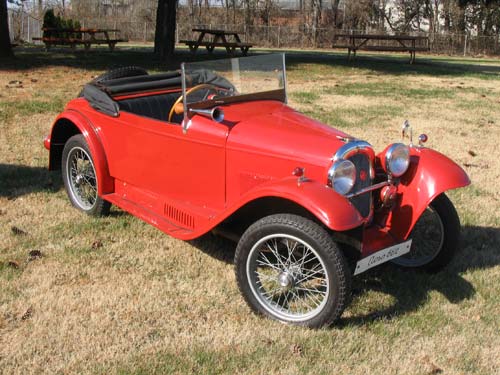
After three years of production of the Aero 10, Aero introduced an updated version of this car in 1931. The new car was called Aero 18. From the exterior...
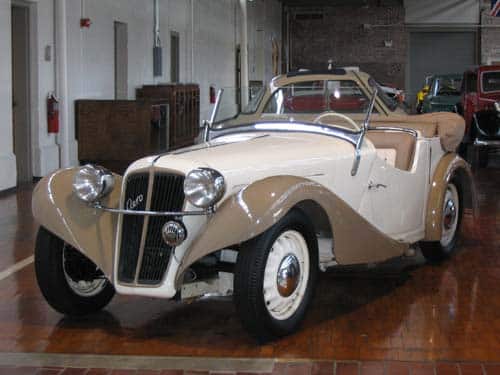
With the introduction of the Aero 30 in 1934 Aero took a giant step forward in its car business. Aero’s previous cars, the model 10 and 18, were pretty...
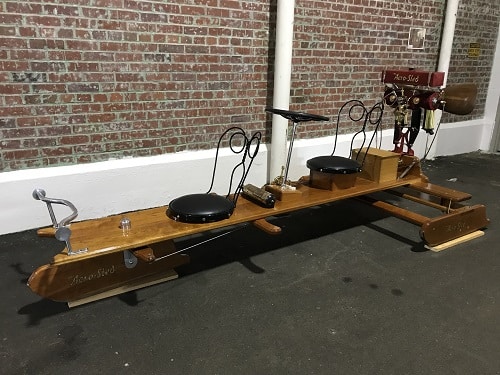
Introduced in 1914, the Aero-Sled Company of Chicago, Illinois, marketed their propeller-powered vehicle as both a practical means of winter transportation and for the new winter sport, motorized ice-sledding!...
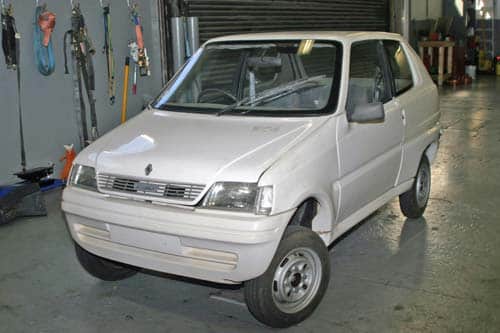
Aixam is France’s largest Microcar manufacturer with about 40% of the French market. This particular Aixam is unique because it was made in India by the Indian scooter maker...
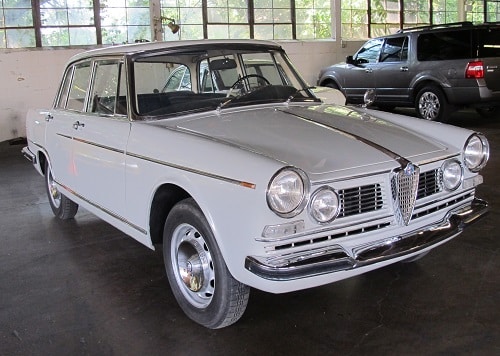
The Alfa 2600 was Alfa Romeo’s flagship car that succeeded the Alfa Romeo 2000. It is a significant car because it was the first Alfa to be powered by...
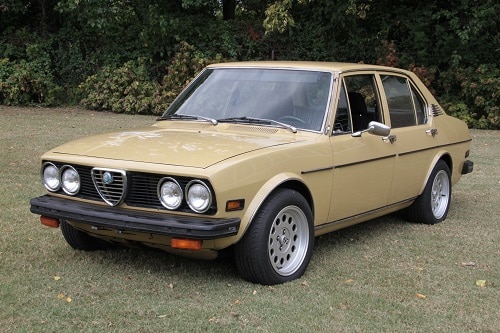
Introduced in 1972 and named after the Tipo 158 racing cars of 1939-1950, the Alfetta Saloon utilized a completely new drivetrain for production Alfa models. The front was fairly...
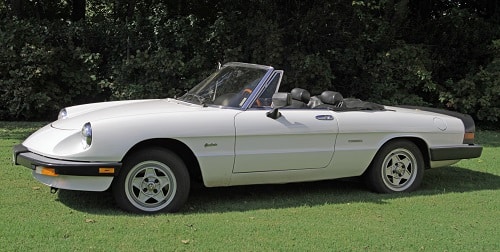
Introduced at the Geneva Motor Show in 1966 to replace the aging Giulietta Spider, the Battista “Pinin” Farina-designed Spider was based on the Giulia 105 chassis. Expensive at introduction...